FuturistU > Innovation & Change > Ability to Change > Module 5 / 7

Optionality

Instructor: Jeremy Gutsche
This module introduces the concept of optionality and looks how decisions we make today can limit our choices and opportunities of the future. We tend to make decisions that get short-term results, not realizing that certain choices can fix us to the path we are on and reduce our future potential. Optionality is about making decisions that increase our future choices.

To illustrate the impacts of optionality, Jeremy highlights examples from the CPG industry and his own journey building Trend Hunter and the Future Festival events. Throughout the module, you'll learn why and how seemingly small decisions you make, can have massive impacts on your future. You'll also learn more about how you can tap into optionality to increase your options and your ability to create more opportunity.
Workshop Questions:
1. In which parts of your business could you create more long-term options?
2. What decisions are you making to open up your future options?
3. What five decisions have most impacted your adult life?

Attend Future Festival

Insights by Trend Hunter AI

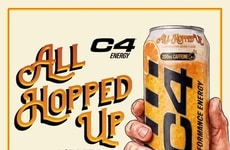
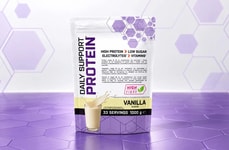
Caffeine Remix
Pick-me-up brands borrow forms and identities from adjacent categories

What's Happening - Brands are moving caffeinated products beyond the standard can into pouches, concentrates, shots, and still options. These formats aim to make consumption feel more portable, discreet, or fast in different settings. Flavor and visual direction are becoming more experimental, with seasonal variants, fruit-led profiles, and illustration-forward packaging that consumers can collect or gift. At its core, brands are responding by treating stimulation as a flexible platform rather than a single drink format.

Workshop Question - How could your brand repackage a core benefit into formats that better fit different moments of use?

8.4
Score
Popularity
Activity
Freshness
Patterns
Megatrends
Ride Spectrum
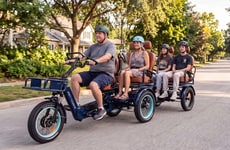
Light EVs are splitting into more specific everyday use cases

What's Happening - Brands are carving light electric vehicles into narrower roles, with models framed around commuting, longer practical trips, shared riding, or riders with different mobility needs. Three-wheeled and adaptive formats are appearing alongside standard two-wheel designs, suggesting makers see stability, passenger capacity, and rider inclusivity as product decisions rather than niche add-ons. Some releases combine portability with terrain-ready features, such as foldable builds paired with larger tires, to make compact vehicles feel more usable beyond smooth city streets.

Workshop Question - How could your brand design offers around distinct daily-use scenarios instead of a single mass-market product?
5.4
Score
Popularity
Activity
Freshness
Patterns
Megatrends
Rider Formats
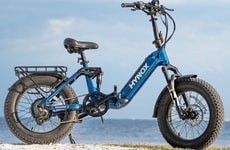
Light electric bicycles adopt specialized frames for broader tasks and lifestyles

What's Happening - Brands are moving beyond standard two-wheel bicycle setups and releasing electric models with distinct frame and wheel layouts for different riding needs. Current examples span adaptive trikes, leaning utility designs, and configurations built for carrying more than one person. Off-road builds and fat-tire folding options show brands pairing electric assistance with features meant to handle rougher ground while still aiming to stay compact or portable.

Workshop Question - How could your brand design around specific real-world use cases instead of offering one default format?
5.8
Score
Popularity
Activity
Freshness
Patterns
Megatrends
Routine Frames
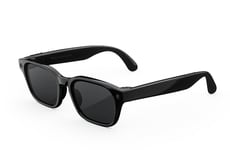
Smart glasses favor everyday guidance and easy care to support lasting habits

What's Happening - New wearable products are framing connected eyewear as a general-use accessory rather than a niche display device. Brands are building these new products around simple utility, including pedestrian way finding and basic connectivity, with a focus on lightweight form factors, familiar styling, and features that fit regular daily wear.

Workshop Question - How could your brand add low-friction digital assistance to an object people already wear every day?
8.2
Score
Popularity
Activity
Freshness
Patterns
Megatrends
Reply Surfaces
Brands turn search and service pages into responsive task screens

What's Happening - Brands are recasting digital touchpoints as interactive response layers, where a typed request can generate an interface, answer or next step instead of sending users through fixed menus. In both consumer and enterprise contexts, people begin with a natural-language exchange, and the response takes shape as charts, visuals or interactive tools suited to the task.

Workshop Question - How could your brand let customers state a goal in plain language and receive a usable next step immediately?
7.2
Score
Popularity
Activity
Freshness
Patterns
Megatrends
Assisted Choices
Brands are packaging medication-era eating help into daily touchpoints

What's Happening - Support for people using weight-management prescriptions is expanding beyond the drug itself into digital guidance, store navigation, and add-on nutrition products. Brands are treating everyday eating decisions as a service layer that can be designed and merchandised. In many instances, supplements, education, shopping tools, and benefits are being bundled into simpler pathways intended to reduce friction for people adjusting how they eat.

Workshop Question - How could your brand reduce the everyday decision load for people adapting to new eating patterns?
7.1
Score
Popularity
Activity
Freshness
Patterns
Megatrends
Guided Autonomy
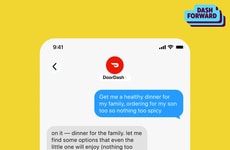
Brands turn routine requests into supervised AI-run workflows

What's Happening - As autonomous software takes on more complex service tasks, brands are making oversight features a core part of the experience. AI systems are increasingly able to collect information, apply rules, and complete actions on behalf of users, but greater autonomy is being paired with permissions, disclosures, and escalation paths. These aim to keep the user prominently in control without hindering productivity.

Workshop Question - How could your brand turn a high-friction customer task into a delegated workflow instead of a self-service journey?
5.9
Score
Popularity
Activity
Freshness
Patterns
Megatrends
Autonomous Merchandising
Retail systems now recommend and act on product decisions

What's Happening - Retail AI is moving beyond dashboards into systems that detect patterns, surface recommendations, and initiate merchandising actions. Brands are using these tools to shorten the gap between insight and execution in stores and digital channels. Retailers are also connecting discovery, assortment, and ordering logic more tightly so products can be surfaced and acted on within the same flow. The new value proposition is a move from passive analytics to software that is expected to influence commercial outcomes directly.

Workshop Question - How could your brand turn customer and operational signals into timely actions, not just reports?
6.9
Score
Popularity
Activity
Freshness
Patterns
Megatrends
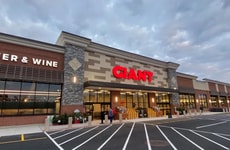
Participatory Retail
Stores are becoming hands-on learning environments for shoppers

Trend - The brick-and-mortar retail environment is being redesigned around hands-on participation add-ons rather than solely display-led browsing. Stores are organizing workshops, DIY stations, community events, and other types of activations that align with their branding, industry, and product offerings. This shift gives shoppers a reason to physically show up in stores, beyond their need for a purchase.

Workshop Question - How could your brand turn product discovery into a guided activity that helps customers learn, test, or create something for themselves?
7.1
Score
Popularity
Activity
Freshness
Patterns
Megatrends
Organic Home
Construction companies turn to organic-based materials for regenerative properties
Trend - Construction brands increasingly turn to hempcrete, mycelium panels, straw‑bale systems, engineered timber composites and bio‑based insulation across projects; offerings stress environmental efficiency, regenerative properties, durability, and wide compatibility with existing materials.
Workshop Question - How can your brand leverage organic-based materials to enhance sustainability and meet the evolving demand for eco-friendly construction solutions?
5.4
Score
Popularity
Activity
Freshness
Patterns
Megatrends